7 Ecommerce Website Figma Templates for Your Store
A Ready-Made Foundation for Your Online Business
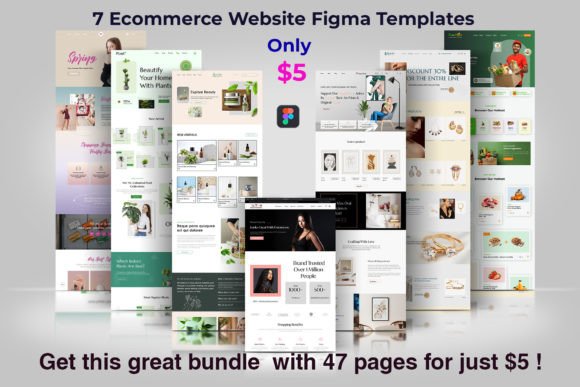
Starting an online store often feels like staring at a blank canvas. You have the products, the passion, and the business plan, but translating that into a functional, beautiful website is a major hurdle. This is where a well-crafted design template becomes invaluable. The 7 Ecommerce Website Figma Templates are not just a collection of random pages; they are a comprehensive design system built specifically for WooCommerce. Think of them as a professional architect's blueprint for your digital storefront. Instead of guessing at layouts or struggling with alignment, you get a cohesive set of 7 distinct homepage designs and 40 essential inner pages. This gives you the visual structure and strategic layout needed to guide customers from discovery to purchase, saving weeks of design time and decision fatigue.
More Than Just Pretty Pages: The Strategic Design Assets
What makes a template truly valuable isn't just its appearance—it's how it functions as a design asset. These Figma templates are built with a clear visual hierarchy and modern typography principles in mind. The clean and professional design uses ample white space, clear typographic scales, and logical grid systems to ensure your products remain the star. This approach directly influences readability and user engagement. When a customer can effortlessly scan product categories, understand pricing, and find the "Add to Cart" button without confusion, you reduce bounce rates and build trust. The style is versatile enough to suit a high-end fashion brand, a minimalist home goods store, or a vibrant artisan marketplace, depending on the colors, fonts, and imagery you choose to implement.
The real power lies in the customization potential. Because the source files are provided with separate layers, you have complete control. You can adjust the color palette to match your brand identity, swap out the free fonts and graphics to reflect your unique personality, and replace placeholder images with your own product photos. This isn't about using a rigid, one-size-fits-all theme. It's about starting with a professionally designed foundation that you can then mold to create a distinct brand presence. Whether you're a small business owner handling your own site or a designer building for a client, this level of control ensures the final website feels authentically yours, not like a generic template.
Practical Guidance for Implementation and Customization
Getting started is straightforward, but a thoughtful approach will yield the best results. First, explore all seven homepage layouts. Each one presents a different mood and structure—some might feature large hero banners for storytelling, while others use grid-heavy layouts ideal for showcasing many products at once. Choose the one that best aligns with your primary business goal, whether it's launching a new collection, highlighting best-sellers, or telling your brand's story. The included instruction attachment is a crucial resource here; it will help you navigate the Figma file efficiently.
When customizing, focus on consistency. Select a primary and secondary font from the free options provided or integrate your own premium font choice. Ensure your color scheme has sufficient contrast for readability, especially on call-to-action buttons and important text. The template's inner pages—from product detail and shopping cart to checkout and contact forms—are all designed to work together. This built-in consistency is key to a professional brand identity. It ensures that every touchpoint a customer has with your site feels intentional and cohesive, which significantly boosts perceived credibility.
From Template to Live Store with Confidence
A common concern with templates is the "what if I get stuck?" factor. This is where the value of accessible support comes in. Having skilled tech support managers available to help solve any issues provides peace of mind, especially for entrepreneurs who may not be deeply technical. It turns the process from a solitary challenge into a supported journey. You can test the layouts in the live demo to see how they feel in action, checking the flow from homepage to product page to checkout before you even download the files.
Ultimately, the goal of these 7 Ecommerce Website Figma Templates is to accelerate your path to a polished, functional online store. They provide the sophisticated web design framework so you can focus your energy on what you do best: sourcing great products, creating compelling content, and building relationships with your customers. By leveraging these design assets, you're not just building a website; you're crafting a strategic brand experience that engages visitors and converts them into loyal customers. It’s a practical, powerful step toward establishing a professional and successful online presence.